Make your marketing work together
Connect print, digital, websites, QR codes, campaigns, and reports into a clearer marketing path.

Connected Marketing
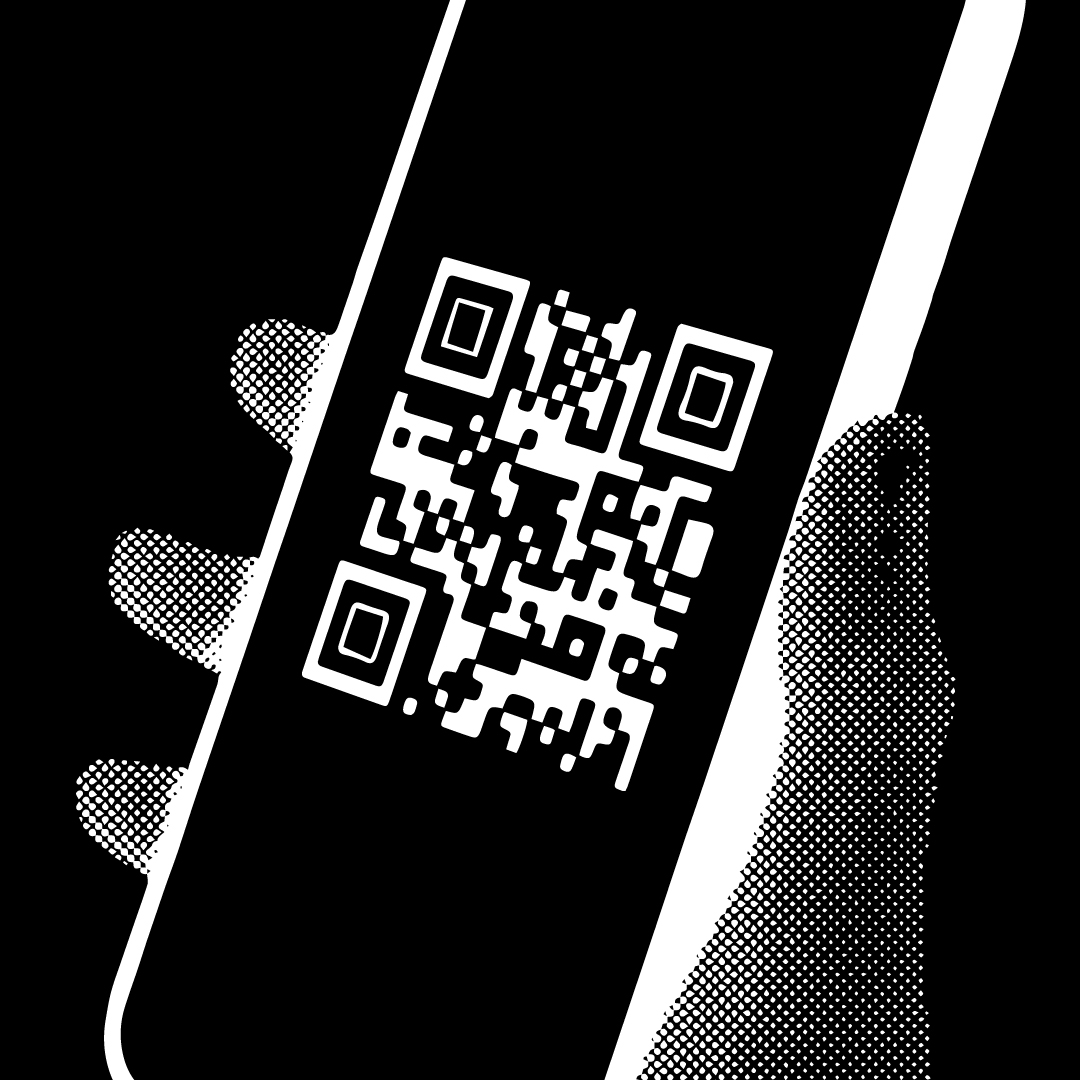
Stampdt helps businesses use trackable campaign elements to connect print, digital, websites, landing pages, QR codes, forms, email, social media, paid campaigns, and reports into clearer marketing paths.
Trackable campaign elements are the small pieces that help connect marketing activity to measurable response.
They can help show where people came from, what campaign they responded to, which link they used, which page they visited, whether they scanned a code, called, filled out a form, or took another next step after seeing a marketing message.
Printed materials can do more than share information. When planned correctly, postcards, flyers, brochures, banners, business cards, mailers, event materials, and other printed pieces can point people to a clear digital destination.
That destination may be a landing page, contact form, service page, campaign page, signup form, phone number, or another action created around the campaign goal.
This helps connect the physical piece to the digital activity that follows.
Trackable elements can include QR codes, campaign-specific URLs, landing page links, button links, form links, and other digital paths created for a specific campaign, offer, event, service, or message.
A QR code can send someone from a printed piece to a specific page. A campaign URL can give a promotion or message its own destination. A landing page can expand the message and guide people toward the next step.
These elements help give each campaign a clearer path instead of sending every visitor to the same general page.
Depending on the campaign, trackable elements can also include personalized URLs, dedicated call-tracking numbers, or SMS keywords.
A personalized URL can create a more specific path for a campaign or audience. A call-tracking number can help connect phone response to a specific campaign. An SMS keyword can give people a simple way to respond by text when that type of campaign makes sense.
These options are not needed for every project, but they can be useful when the campaign goal requires more detailed response tracking.
UTM tracking can help organize website and landing page traffic by source, medium, campaign, or content.
This can make it easier to understand whether activity came from email, social media, paid campaigns, referral sources, QR codes, print-supported campaigns, or other marketing efforts.
When campaign links are set up clearly, reporting becomes easier to review and future campaigns become easier to compare.
Trackable campaign elements do not need to make a campaign complicated.
When planned correctly, they help create a clearer path from the first impression to the next action, whether that action is visiting a page, filling out a form, requesting information, registering for an event, calling, scanning a code, texting a keyword, or learning more about a service.
Trackable elements become more useful when they are connected to website and marketing reports.
Instead of looking only at general traffic, businesses can review available campaign activity and better understand which links, pages, QR codes, forms, calls, emails, ads, or promotional materials helped move people toward the next step.
When reporting is part of active client support or a paid reporting engagement, this information can also support insights, recommendations, priorities, and future campaign improvements.
The goal is to make marketing easier to follow, easier to measure, and easier to improve without turning every project into a complex analytics system.
Trackable campaign elements help create cleaner campaign paths, better reporting, and more useful information for future marketing decisions.
Are Your Campaign Elements Helping You Understand What People Do Next? Click below to contact us and get started.

Stampdt partners with businesses and organizations to create connected marketing that brings design, print, digital, and reporting together to build visibility, support growth, and measure what is working.

Stampdt meets with clients by appointment, at their location, or online. Call (719) 325-9899 or use the contact form to get in touch.
Serving Colorado Springs, Denver, Monument, the Tri-Lakes area, and surrounding Colorado communities.


© Stampdt | All rights reserved | Colossians 3:23